Home Blog Page 4

‘The Ojukwu Signature’

0

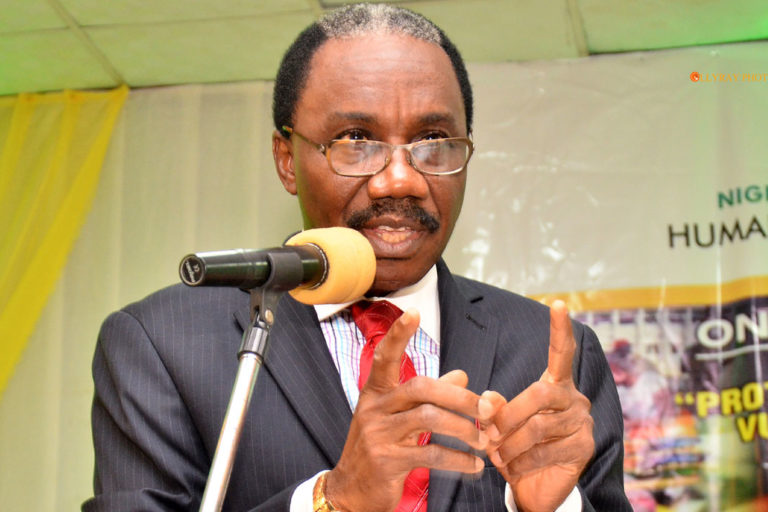
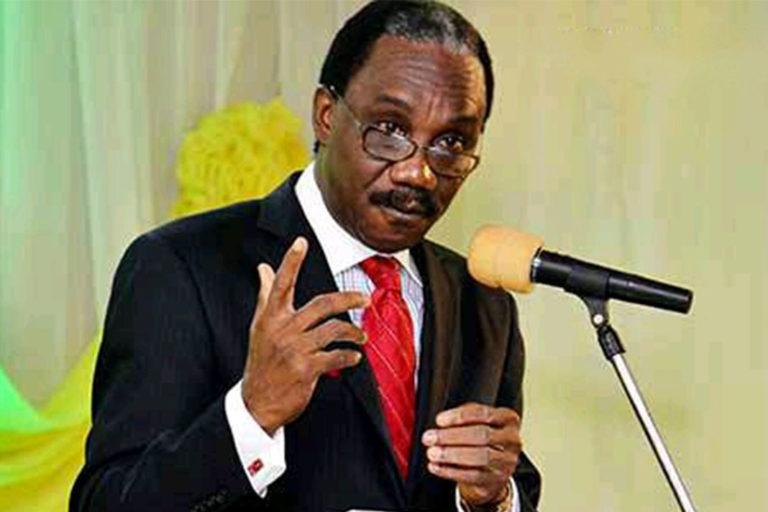
It’s no longer news that Professor Ernest Ojukwu, SAN has joined the race to lead Africa’s largest Bar. However, it seems to me , that a few are far in thought, as to what this colossus is made of.

Professor Ernest Ojukwu is a Professor of Law and Senior Advocate of Nigeria. He served as an erstwhile Dean of the Faculty of Law of Abia State University before being headhunted by the Council of Legal Education to serve as the Deputy Director-General of the Nigerian Law School, Agbani Campus, Enugu.

A well lettered author, Professor Ojukwu holds to his credit a plethora of text, inclusive of that on Civil Procedure in Nigeria. That celebrated piece, asides being an authority in the Nigerian Law School, has remained a reference point for both the Bar and the Bench.

Professor Ojukwu is the Master of Clinical Legal Education in Nigeria, where he meritoriously holds a professorial chair. He revolutionized legal education in Nigeria by single handedly introducing the clinic system and structures across Nigeria, where theory meets practice, in the academic life of law students. A feat that resonates, across divide, his competence and capacity in leadership.

In collaboration with law clinics, in legal aid and prison reforms, his NGO, Network of University Legal Aid Institutions (NULAI), where he holds sway as proprietor and team lead, stands tall. NULAI pioneered Nigeria’s foremost National Client Interviewing and Counseling Skills Competition which convenes together public and private tertiary institutions across Nigeria with the view of testing, enhancing and developing practical interviewing and counseling skills of law students in training. Having humbly represented my state and university in the 9th NCCC competition in 2013, I can posit without equivocality, on firsthand basis, the unending impact and influence, of that competition vis á vis clinical legal education in Nigeria.

A Teacher to teachers, Judges, Lawyers, Professor Ojukwu has undoubtedly devoted his career and life to the growth and development of lawyers and the legal profession at large. Without beating the drums, his pedigree in the industry, speaks for itself.

There’s one unique and interesting attribute of Professor Ojukwu that stands him out to the admiration of all and sundry. Wherever Ojukwu takes charge, status quo change! His aversion for convention and drive for innovation is surely one I’m yet to see in recent times. Whenever, or wherever, Professor Ojukwu steers the wheel, the concomitant effect is positive disruptions, alterations, innovations, in addition to a sound, vibrant and effective leadership. Wherever you see Ojukwu lead, you see the above, wherever you see Ojukwu lead, you see a Brand! I call it……”The Ojukwu Signature”.

Till date and in posterity, the Nigerian Law School and the prestigious Faculty of Law, Abia State University, which both bear the crest, signage, and trademark of “The Ojukwu Signature” will remain timeless testaments of his rich administrative acumen, posture and standing. Indeed, what the ‘Ojukwu Signature Bar’ will be, is best left to imagination!

Professor Ojukwu speaks law, acts law, behaves law, grows law, develops law, and, if time is not taken, I might be wrong, dreams law. He is surely of the finest brand cum blend of academic and advocate you can find anywhere in Nigeria today. Sometimes I sit in my little corner, gaze to the skies, then surrender to thoughts, what the Ojukwu led Bar will be! To drive home his penchant for the welfare of young lawyers, Professor Ojukwu already shares and leads the topical conversation on the need to place a minimum cap on remuneration of young lawyers. Having been a young and active bar leader in Aba, he is no doubt in the know, and roundly appreciates, the need for such.

To further deconstruct Professor Ojukwu’s persona conversely amounts to being economical with the truth as his aptitude cannot be described, neither can it be captured, in one breath! Within the context of Bar leadership, to pontificate that Professor Ojukwu is fit for purpose, is simply stating the obvious. At the national level, he has dutifully chaired innumerable committees and in his usual manner, delivered on set objectives.

Without mincing words, to state that the NBA and its top echelon is in dire need of ” The Ojukwu Signature” is to state the obvious. Professor Ojukwu brings to bare time-tested, age-long and richly deep experience. As a celebrated academic, active Bar man, respected litigator and seasoned administrator, Professor Ojukwu indeed holds different sides of the coin to himself, an attribute that surely stands him out, and tall, amongst the crowd!

Let’s give the NBA a different Breath!
Let’s give the NBA a different Crest!!
Let’s give the NBA the ‘Ojukwu Signature’ !!!

#TeamEO#NBApresidency#TheOjukwuSignature

Kindly drop a comment using #TheOjukwuSignature or share!

Chukwuemeka Maduako
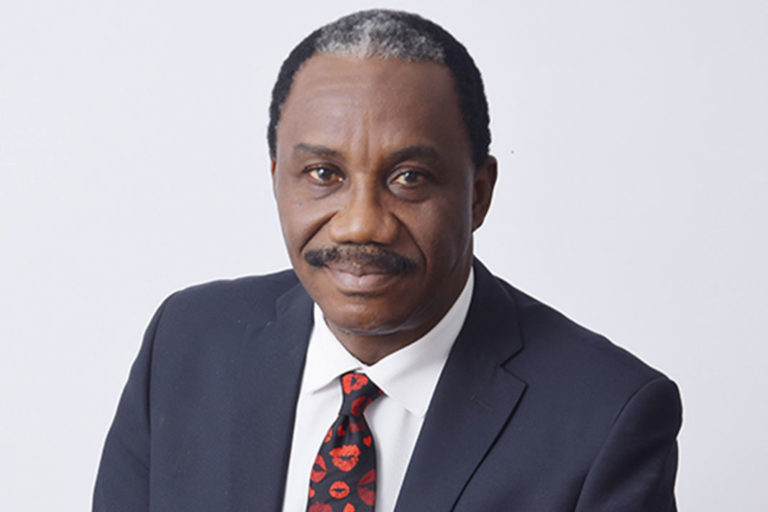
NBA AGC 2018: Prof. Ernest Ojukwu Writes NBA President, Seeks The Reduction of Conference Fees

0

Prof. Ernest Ojukwu SAN has written the President of the Nigerian Bar Association, A.B. Mahmoud SAN, seeking clarification to some issues relating to the oncoming NBA Annual General Conference, 2018.

The erudite professor of law having asked some pressing questions in need for answers, however, gave some suggestions that would solve some of the issues facing the bar as they regard the oncoming conference.

Below reads the copy of the letter

14th MAY 2018

PRESIDENT
NIGERIAN BAR ASSOCIATION
OPNBA
ABUJA

Dear Sir,

ISSUES WITH OUR 2018 ANNUAL BAR CONFERENCE

I write to bring to your attention some issues relating to our proposed 2018 Annual Bar Conference that requires your urgent intervention. These issues are arising because of the numerous questions that are being asked by members since we returned from the Kano NEC meeting. Some of them are as follows:

1. What did NBA NEC Approve at Kano?
Please refer to the TCCP proposal/report submitted to NBA NEC on 10th May 2018. The highlights include:
a. The theme of the Conference
b. The conference registration fees
c. The use of electronic tablets
d. International speakers
e. Payment of N15,000,000.00 to join a panel
f. Procurement Rules
g. Advance of N200,000.000.00 to TCCP to assist in the execution of the conference planning; and
h. Request for approval of the creation of an expenditure account for the conference planning.

At the end of the discussions of the TCCP report, no motion(s) was moved to approve the report or any of the above listed items. NEC was also not invited to approve the report or any of the items by the President. My recollection is that the President made some remarks relating to the proposed invitation of international speakers especially former US President Obama; requested the TCCP not to increase the conference fees beyond the cost of 2017 conference; and that the TCCP should note all the comments made by members on the floor of NEC on the various items of their proposal. The President may need to clarify the issue of what was approved.

2. The Conference Fees
At the NBA NEC meeting Kano, all the speakers (including me) spoke in support of a reduction of the conference fees and Mr. President graciously directed the TCCP not to impose fees more than that of 2017.

Mr. President may need to guide the TCCP further on this especially on the amount to be paid by lawyers under 10 years for the early bird. There is need to review the rate of 2017 further down especially as members have rejected the use of tablets for the 2018 conference. While everything should be done to support a high standard conference, everything must also be done to reduce the burden on members. Our members are really seriously complaining.

3. Budget for the conference
Mr. President expressed surprise during his remarks at the NEC meeting that the TCCP did not submit a budget for the conference. It would be very necessary that this anomaly be rectified as an urgent action Sir to conform to Section 21(c) of our constitution and the principle of openness, transparency and accountability. In fact it is only by providing a budget shall we be able to assess the conference costs by determining what is necessary and reasonable cost we must incur at this time of members’ serious economic difficulties.

4. Accounts for the 2017Annual Bar Conference.
At the Uyo NEC meeting of November 2017, the TCCP Report of the Annual General Conference was deferred to the next NEC meeting. See the Para 9.1 of the NBA NEC minutes of 28th Feb-2nd March 2018 at Ilorin.

That 2017 account was not rendered at the Ilorin NEC or at the recent Kano NEC. It seems to me that this is a fundamental omission. I missed the matter earlier otherwise. I would have drawn your attention to it.

5. My suggestions
I humbly suggest the following:
a. TCCP should immediately produce a comprehensive budget that covers all proposed heads of expenditure for the 2018 conference and presented to NBA Elected officers-in-meeting to consider and approve it in the interim. What the officers approve should then be presented at the next NEC meeting to approve/ratify. Before the officers meeting to consider the proposed budget, the budget should be published on our website and the version approved by the officers uploaded later on the website.
b. The 2017 TCCP Conference Accounts should immediately be published on our website. The NBA officers in meeting should consider and approve the accounts and then present what they approve at the next NBA NEC meeting.
c. The NBA officers-in-meeting should consider the TCCP proposals for the 2018 conference (together with the budget) and approve what is approvable since the NEC of Kano seems to have omitted this action.
d. In going forward, please prevail on our officers to look at the whole picture and-
i. Remove tablets from this year’s conference;
ii. Reduce drastically the cost of the conference especially for lawyers under 10 years;
iii. Prevail on the TCCP not to spend more than 70% of whatever income generated for the conference; and
iv. There is still confusion among members about who is the TCCP Chairman. It will be necessary to officially clarify the position.

I thank you.

Yours faithfully,

Prof Ernest Ojukwu, SAN
Partner at OJUKWU FAOTU & YUSUF (ofy-lawyers.com)

Ojukwu SAN Kicks against Tablet for 2018 AGC, Makes a Case for Reduction of Conference Fees

0

Professor Ernest Ojukwu SAN has asked the President of the Nigerian Bar Association Mr. A.B Mahmoud SAN to address several issues arising from the TCCP report presented to the NBA NEC at its just concluded NEC meeting held in Kano.

Prof. Ojukwu’s request is contained in a letter titled Issues with our 2018 Annual Bar Conference addressed to the President of the NBA.

In his letter Prof Ojukwu sort clarification on issues that were not properly addressed during the NEC meeting. He requested to know the  NBA NEC meeting’s decision on the proposal presented by the TCCP to the NEC: 

“Please refer to the TCCP proposal/report submitted to NBA NEC on 10th May 2018. The highlights include:

  1. The theme of the Conference
  2. The conference registration fees
  3. The use of electronic tablets
  4. International speakers
  5. Payment of N15,000,000.00 to join a panel
  6. Procurement Rules
  7. Advance of N200,000.000.00 to TCCP to assist in the execution of the conference planning; and
  8. Request for approval of the creation of an expenditure account for the conference planning.

“At the end of the discussions of the TCCP report, no motion(s) was moved to approve the report or any of the above listed items.”

“NEC was also not invited to approve the report or any of the items by the President. My recollection is that the President made some remarks relating to the proposed invitation of international speakers especially former US President Obama; requested the TCCP not to increase the conference fees beyond the cost of 2017 conference; and that the TCCP should note all the comments made by members on the floor of NEC on the various items of their proposal. The President may need to clarify the issue of what was approved.”

On issue of the conference fee, Ojukwu stated:

“At the NBA NEC meeting Kano, all the speakers (including me) spoke in support of a reduction of the conference fees and Mr. President graciously directed the TCCP not to impose fees more than that of 2017.”

“Mr. President may need to guide the TCCP further on this especially on the amount to be paid by lawyers under 10 years for the early bird. There is need to review the rate of 2017 further down especially as members have rejected the use of tablets for the 2018 conference.”

“While everything should be done to support a high standard conference, everything must also be done to reduce the burden on members. Our members are really seriously complaining.”

Prof Ojukwu also talked about the Budget for the conference which he noted was not submitted by the TCCP. He noted that a budget would ensure compliance with the provision of the constitution and ensure transparency and accountability:

“Mr. President expressed surprise during his remarks at the NEC meeting that the TCCP did not submit a budget for the conference.”

“ It would be very necessary that this anomaly be rectified as an urgent action Sir to conform to Section 21(c) of our constitution and the principle of openness, transparency and accountability. In fact it is only by providing a  budget shall we be able to assess the conference costs by determining what is necessary and reasonable cost we must incur at this time of members’ serious economic difficulties.”

Prof. Ojukwu SAN further spoke about the accounts of the 2017Annual Bar Conference which according to him has not been presented to the NEC by the 2017 TCCP. 

“At the Uyo NEC meeting of November 2017, the TCCP Report of the Annual General Conference was deferred to the next NEC meeting. See the Para 9.1 of the NBA NEC minutes of 28th Feb-2nd March 2018 at Ilorin.”

“That 2017 account was not rendered at the Ilorin NEC or at the recent Kano NEC. It seems to me that this is a fundamental omission. I missed the matter earlier otherwise. I would have drawn your attention to it.” He stated.

He concluded by suggesting the following way forward to the NBA President:

  1. TCCP should immediately produce a comprehensive budget that covers all proposed heads of expenditure for the 2018 conference and presented to NBA Elected officers-in-meeting to consider and approve it in the interim. What the officers approve should then be presented at the next NEC meeting to approve/ratify. Before the officers meeting to consider the proposed budget, the budget should be published on our website and the version approved by the officers uploaded later on the website.
  2. The 2017 TCCP Conference Accounts should immediately be published on our website. The NBA officers in meeting should consider and approve the accounts and then present what they approve at the next NBA NEC meeting.
  3. The NBA officers-in-meeting should consider the TCCP proposals for the 2018 conference (together with the budget) and approve what is approvable since the NEC of Kano seems to have omitted this action.
  4. In going forward, please prevail on our officers to look at the whole picture and:

(i) Remove tablets from this year’s conference;

(ii) Reduce drastically the cost of the conference especially for lawyers under 10 years;

(iii) Prevail on the TCCP not to spend more than 70% of whatever income generated for the conference; and

(iv) There is still confusion among members about who is the TCCP Chairman. It will be necessary to officially clarify the position.

Copy of the letter:

LETTER-TO-NBA-PRESIDENT-ISSUES-WITH-OUR-2018-ANNUAL-BAR-CONFERENCE-1

Our Problems Are Lawyers Not Laws And Regulations- Ojukwu, SAN

0

Excerpts of Prof Ernest Ojukwu’s Presentation as Discussant at The ANNUAL NBA SECTION ON LEGAL PRACTICE CONFERENCE Port Harcourt 2018 on the theme: “Re-thinking and Re-tooling Legal Practice For the Challenges of our Time”

My intervention on the theme of this session (“Practicing law in a regulated environment- what we need to know”) is focused on the foundational issues. When you have termites’ infestation in your compound, do you just kill the termites on the surface of the ground or do you dig down to move the entire city?

The lead speakers identified as problems our outdated laws and regulations such as the Legal Practitioners Act 1975 and the Rules of Professional Conduct 2007. I say that we have had an incompetent Bar Association and disinterested membership.

For over 14 years we identified the same issues we are discussing today and yet we have done little or nothing to implement meaningful change. Rather we have assembled members in conferences year after year just as we have done now to repeatedly entertain ourselves in what I describe as talk show jamborees.

In 2004 I was Chairman of the NBA Law Reform Committee. We produced a new Legal Practitioners Act 2004 and the draft law was circulated among members and NBA branches and that was the end. In 2007 I wrote another one, the Legal Practitioners Amendment Act and the Bar sent it to the National and sponsored by Senator Ndoma Egba, Senator Ekweremadu and 3 other Senators. The bill died in the Senate but 12 years later in March 2018, the National Assembly conducted a public hearing on the outdated bill. This was being done while 3 other bills I drafted for another Committee of the Bar in 2011 were still pending in the National Assembly- that is, the Legal Practitioners Bill 2012, the Legal Education Bill 2012 and the Legal Services Commission Bill 2012. In addition, in January 2017 the Bar set up another Committee and a new law was submitted to NBA NEC at Lokoja on 1st June 2017. The bill is the Legal Profession Regulation Act. As we speak today 8 months since being submitted, none of the 125 Branches of the NBA has discussed the bill just as no Section or Forum of the Bar. We are simply disinterested in the future of the Bar.

I drafted the 2007 Rules of Professional Conduct for Legal Practitioners based on an old draft of late Justice Dr Orojo. In 2011 under the auspices of another Committee of the Bar, Yemi Candide-Johnson SAN drafted a new Rules of Professional Conduct. The then President of the bar, Okey Wali asked me to conduct a validation workshop for that draft. The Academic Form conducted a session on that draft in 2013 at the Annual Bar Conference at Calabar, and submitted an updated draft Rules. That was the last action on that draft Rules of Professional Conduct and we are in 2018.

The foundation for the reform of the legal profession lies in a foundational reform of our legal education. If we do not reform what and how we teach our LLB students and Law School trainees, any change we bring in the profession will be like taking out termites on the surface of the ground. No real change will ever take root in the legal profession unless we deal with our legal education where we have over 5000 lawyers produced annually to join the profession. The standard of our LLB is very poor. Legal education in the Law School is at present a stadium education where we have over 1600 students seated in one theatre to learn professional skills and values. Ethics is not a course in 99% of our LLB programmes and yet we want to have ethical lawyers. The Nigerian Bar Association is one of the most disinterested professional organizations in World on how its members are trained to join or remain in the profession. Our legal education both at the academic and vocational levels lack adequate independent oversight and only the Bar can provide such oversight just as its counterpart American Bar Association does in the USA. But the NBA does no such oversight. It has not even written and policy document on how lawyers should be trained. The NBA does not have a single programme that connects the trainees at the university and the law school to the profession. NBA does not have any transitional programme for new barristers and solicitors that step out of the law school such as canopies, incubator programmes, capstones and career counseling. It is a disinterested bar.

In spite of the critical state of the legal profession in Nigeria, we are witnesses to today’s bar strangers and corrupt senior lawyers that some of us are applauding for showing interest to lead the bar, yet are busy bribing members with millions and millions of Naira for members’ votes. There is no serious change that we will have as long as we allow these corrupt senior lawyers without any leadership experience who are busy corrupting our young lawyers with money and practice fee bribes to lead the bar and lead the change. No such change will ever come.

The Legal profession is at a crossroad. The Nigerian Bar Association is inflicted with cancer that has spread all over the organs and the body. There are only two options- let the body die or carry out a stem cell transplant. Our problem is not our regulations and our laws. Our problems are lawyers.

Lack of Democratic Culture For Young Lawyers Bad Omen For Future Bar

Lack of Democratic Culture For Young Lawyers Bad Omen For Future Bar
By Prof Ernest Ojukwu, SAN (Chair of the Future State of the Legal Profession Subcommittee of the LPRRC)

A trend that is manifesting into a culture is the lack of democratic tradition for the choice of leaders in our Young Lawyers’ Forums.

My recent survey shows that over 60% of the branch leaders and the National officers of the Young Lawyers’ Forum (YLF) were appointed or handpicked.

Many young lawyers I discussed this subject with are worried that there seem not to be any plans in place to conduct elections soon in the branches where their leaders were appointed.

Under the NBA Constitution, a uniform Bye Law (9th Schedule) applies to the YLF. Article XIV stipulates that “the election of … Forum Officers and elected members of the Council shall take place in the manner set out at each Biennial General Meeting of the … Forum.” According to Article IX-
(a) An officer shall hold office for a term of two years and he or she shall not be eligible for re-election to the same office.
(b) If at the end of the tenure of office of the leadership of a … Forum, a new leadership has not been elected, the President of the Association shall set up a three-person Committee from among the members of the … Forum … to administer the affairs for a period not exceeding six weeks. The Committee shall take steps to conduct election, failing which the President would set up a six person election committee to conduct the election within three weeks, to elect new officers and report to NEC.

The Constitution did not specify that there shall be branch YLF. It seems that the YLF can on its own create such branches and its Committees. The argument has been made that the YLF branches would therefore not be responsible to NBA Branches but to the YLF at the Centre. But whatever practice that is acceptable, the YLF leadership at the Branches should also be allowed to elect their leadership just as it should be done at the centre under the Constitution.

Democracy should develop as a way of life for lawyers. Democracy is a step towards enthroning good governance- openness, transparency, accountability and responsibility. Good governance is antithesis to corruption, inequality, and abuse of rule of law, injustice, insecurity and impunity.

We should therefore show the right way for young lawyers. We should mentor and support them towards the path of good leadership. It is a responsibility, a duty on us the leaders!

Even many Primary Schools are now encouraging their pupils to elect their class monitors/prefects as their contribution to building a new cadre of youths prepared for civilized leadership for the Nation.

Lack of a democratic culture for young lawyers is bad omen for the future Bar, the profession and the Nation. “The best way to predict the future is to create it.” – Peter Drucker.

Lawyers Score NBA Performance Poor On Welfare Of Her Members by Prof Ernest Ojukwu, SAN

0

Nigerian Lawyers have scored the Nigerian Bar Association poor on the performance of the Bar on the welfare of her members.

This is based on a report of 2018 published by Prof Ernest Ojukwu, SAN based on a survey carried out between the last quarter of 2017 and the first quarter of 2018.

The survey report showed that Lawyers overwhelmingly scored NBA Poor to nonexistent (39% to 0%) on the three welfare aims and objectives stated in her Constitution as follows:

(a) 68.6% on “creation of schemes for the encouragement of newly qualified members“.
(b) 70.03% on “Assistance to aged or incapacitated members of the Association“.
(c) 67.14% on “Establishment of schemes for the promotion of the welfare, security and
economic advancement of members of the legal profession”.

On the same welfare objectives the following percentages of lawyers assessed NBA performance as fair (average), which is score of 40-49%:

(a) 13.72% on “creation of schemes for the encouragement of newly qualified members“.
(b) 14.85% on “Assistance to aged or incapacitated members of the Association.“
(c) 17.01% on “Establishment of schemes for the promotion of the welfare, security and
economic advancement of members of the legal profession”.

Only between 8.75% and 10.42% of lawyers scored NBA “Good” on the performance on welfare issues.

When segregated by year of call/status/Sexes the following “Poor” scores emerge on the three welfare objectives as follows:

BY YEAR OF CALL/STATUS- SCORE 39-0%

OBJECTIVES Under 7 7-10 10-20 20 Plus SAN
Creation of schemes for the encouragement of newly qualified members 60.46% 67.96% 65.55% 48.12% 60%
Assistance to aged or incapacitated members of the Association. 60.51% 73.58% 73.72% 86.85% 70%
Establishment of schemes for the promotion of the welfare, security and economic advancement of members of the legal profession 59.46% 74.77% 70% 58.63% 70%


BY SEX – SCORE 39-0%

OBJECTIVES FEMALES MALES
Creation of schemes for the encouragement of newly qualified members 67.33% 65.44%
Assistance to aged or incapacitated members of the Association. 64.76% 68.71%
Establishment of schemes for the promotion of the welfare, security and economic advancement of members of the legal profession 60% 65.49%


The report states that “the survey was conducted among lawyers on their assessment/evaluation of the Nigerian Bar Association’s performance on its constitutional objectives written in Section 3 of the Constitution”; and that “the survey took place between the last quarter of 2017 and first quarter of 2018. Hard copies survey forms were distributed at meetings of lawyers and at few law firms. The locations for the survey were: Lagos, Zaria, Port Harcourt, Uyo, Yola, Ikeja, Yenagoa, Jos, Umuahia, Onitsha, Maiduguri, Ilorin, and Kano.”

The report further states that “a total of 797 completed survey forms were returned though some participants did not complete some parts of the form” and that the completed forms were in the following categories:

  • Sex

Females –        229

Males –            537

Sex not stated– 31

  • Call Age/Status

Lawyers under 7yrs –             414

Lawyers 7plus– under 10yrs– 106

Lawyers 10plus–under 20yrs–123

Lawyers 20 plus –                   119

SANs –                                   10

Not stated Age/status –          25

According to the report “Participants were required to rate what NBA has done or is doing to actualize the aims and objectives stated in Section 3 of the NBA Constitution. The indicators were:

  1. 80 – 100%: Excellent;
  2. 60 – 79%: Very Good
  3. 50 – 59%: Good
  4. 40 – 49%: Fair
  5. 30 – 39%: Poor
  6. 1 – 29%:        Very Poor
  7.  0 %:       Nonexistent”

Other highlights of the report shows how lawyers rate the actions of the Association at actualising some objectives of the NBA Constitution as follows:

ON RULE OF LAW/HUMAN RIGHTS:

25.42% of lawyers scored NBA Fair (average);

23.87% of lawyers scored NBA Good

19.58% of lawyers scored NBA Poor

13.75% of lawyers scored NBA Very Poor

11.157% of lawyers scored NBA Very Good

3.5% of lawyers scored NBA Excellent

2.72% of lawyers scored NBA Zero

ON MAINTENANCE OF THE HIGHEST STANDARDS OF PROFESSIONAL CONDUCT, ETIQUETTE & DISCIPLINE:

30.84% of lawyers scored NBA Fair (average);

26.44% of lawyers scored NBA Good

15.49% of lawyers scored NBA Poor

13.48% of lawyers scored NBA Very Good

9.617% of lawyers scored NBA Very Poor

3.07% of lawyers scored NBA Excellent

1.07% of lawyers scored NBA Zero

ON MAINTENANCE AND DEFENCE OF THE INTEGRITY & INDEPENDENCE OF THE BAR & JUDICIARY:

30.74% of lawyers scored NBA Fair (average);

23.74% of lawyers scored NBA Good

19.2% of lawyers scored NBA Poor

11.54% of lawyers scored NBA Very Poor

8.37% of lawyers scored NBA Very Good

3.24% of lawyers scored NBA Excellent

3.24% of lawyers scored NBA Zero

ON PROMOTION & ADVANCEMENT OF LEGAL EDUCATION/CLE/ADVOCACY & JURISPRUDENCE:

30.41% of lawyers scored NBA Fair (average);

23.72% of lawyers scored NBA Good

22.15% of lawyers scored NBA Poor

11.01% of lawyers scored NBA Very Good

7.73% of lawyers scored NBA Very Poor

2.28% of lawyers scored NBA Zero

2.21% of lawyers scored NBA Excellent

ON IMPROVEMENT & ADVANCEMENT OF THE SYSTEM OF ADMINISTRATION OF JUSTICE, ITS PROCEDURE & ARRANGEMENT OF COURT BUSINESS:

30.41% of lawyers scored NBA Fair (average);

23.72% of lawyers scored NBA Good

22.15% of lawyers scored NBA Poor

11.01% of lawyers scored NBA Very Good

7.73% of lawyers scored NBA Very Poor

2.28% of lawyers scored NBA Zero

2.21% of lawyers scored NBA Excellent

LEGAL AID: ESTABLISHMENT, MAINTENANCE AND OPERATION OF A SYSTEM OF PROMPT AND EFFICIENT LEGAL AID AND ASSISTANCE FOR THOSE IN NEED BUT WHO ARE UNABLE TO PAY FOR SAME:

27.34% of lawyers scored NBA Poor;

24.78% of lawyers scored NBA Fair (average)

16.94% of lawyers scored NBA Very Poor

16.56% of lawyers scored NBA Good

7.19% of lawyers scored NBA Very Good

6.16% of lawyers scored NBA Zero

1.03% of lawyers scored NBA Excellent

ENCOURAGEMENT AND PROTECTION OF THE RIGHT OF ACCESS TO COURTS AT REASONABLY AFFORDABLE FEES AND OF REPRESENTATION BY COUNSEL BEFORE COURTS AND TRIBUNALS:

28.84% of lawyers scored NBA Fair (average)

23.27% of lawyers scored NBA Good

22.86% of lawyers scored NBA Poor

9.52% of lawyers scored NBA Very Good

8.3% of lawyers scored NBA Very Poor

5.03% of lawyers scored NBA Zero

2.18% of lawyers scored NBA Excellent

ENCOURAGEMENT OF THE ESTABLISHMENT OF A NATIONAL LAW LIBRARY:

30.81% of lawyers scored NBA Poor

19.32% of lawyers scored NBA Zero

18.51% of lawyers scored NBA Fair (average)

13.51% of lawyers scored NBA Very Poor

9.73% of lawyers scored NBA Good

5% of lawyers scored NBA Very Good

3.11% of lawyers scored NBA Excellent

CREATION AND MAINTENANCE OF AN ENDOWMENT FUND FOR THE PROPER OBSERVANCE AND DISCHARGE OF ANY OF THE AIMS AND OBJECTS:

26.81% of lawyers scored NBA Zero

22.02% of lawyers scored NBA Poor

17.1% of lawyers scored NBA Very Poor

15.67% of lawyers scored NBA Fair (average)

12.95% of lawyers scored NBA Good

4.02% of lawyers scored NBA Very Good

1.42% of lawyers scored NBA Excellent

New DG Nigerian Law School Rekindles Hope on the Future of the Legal Profession in Nigeria – Prof Ernest Ojukwu, SAN

0

“The Council of Legal Education, the Nigerian Bar Association and the entire legal profession have only paid lip service for many years on the subject of legal education in Nigeria. The Bar has actually been disinterested and yet the Bar dreams of reforming the legal profession.”

Prof. Isa Chiroma took over as the Director-General Nigerian Law School in February 2018. His arrival at the Nigerian Law School Bwari was greeted with an outstanding expression of happiness and hope by the staff of the institution. While Prof Chiroma’s reception by staff may be the normal sentiments of Nigerians whenever a new helmsman is appointed for a public institution, I think Prof Chiroma’s case is special and different.

Chiroma has not come to head the Nigerian Law School as a stranger. He was the pioneer Deputy Director-General and Head of Yola Campus of the Nigerian Law School from 2011 to 2016. During his tenure at Yola, he was actively involved in the reform of legal education curriculum and methodology at the Nigerian Law School. He played key role in the Law School Externship Committee in 2012 for the reform of the attachment programme and took part as a resource person in the many academic retreats of the Law School. Before his tenure as Deputy Director-General Nigerian Law School, Prof Chiroma was a member of the Council of Legal Education, Dean of the Faculty of Law University of Maiduguri, and consultant to the Nigerian Law School on Legal Education IT infrastructure assessment.

Prof Chiroma holds the Bachelor of laws (upper division) of the University of Maiduguri, Master of Laws and PH.d of the University of Jos and called to the Nigerian Bar in March 1988. In 2005 he was appointed Professor of Law.

Prof Chiroma has served on accreditation teams of both the National Universities Commission and Council of Legal Education for the accreditation of Law Programmes and Law faculties in Nigeria.

Perhaps, Prof Chiroma’s strongest strength is that he is a radical legal education reformist who believes that Legal education at all levels must focus on an integrated knowledge, skills, competencies and values approach and that our method of teaching must be radically moved away from rot traditional learning that dominates our legal education in Nigeria to learner-centred interactive and experiential education. He believes that we must set goals and objectives for legal education at both the University and vocational training and that the Nigerian Law School should seriously focus on real vocational/professional education otherwise the Nigerian Law School will continue to serve no purpose. He believes that learning must be outcomes based.

Prof Chiroma is a foundation member of the clinical legal education movement in Nigeria. He is the Vice President of the Network of University Legal Aid Institutions (NULAI) Nigeria. NULAI Nigeria drives the advocacy for clinical legal education, reform of legal education, justice education and access to justice. Chiroma is also an active member of the Global Alliance for Justice Education (GAJE). He was the founder and Coordinator of one of the first University based Law Clinics in Nigeria – University of Maiduguri Law Clinic. Chiroma also set up the first Law Clinic at the Nigerian Law School Yola campus.

Chiroma is an active member of the Nigerian Bar Association and understands the role of the Bar in the reform of legal education and the legal profession. He had at one time served as a member of the legal practitioners’ privileges committee for the selection of Senior Advocates of Nigeria.

The quality of legal education impacts so heavily on the quality of the legal profession-  the Bar and the Bench. The quality of our legal education impacts so heavily on access to Justice, law making, law enforcement, governance and administration, corporate management, human rights, democracy, rule of law, dispute resolutions, peace and security, social values and Justice and corruption and ethics, orientation, and economic advancement.

The quality of legal education impacts so heavily on consumer trusts for legal services and on job opportunities for lawyers.

There has never been a time such as now when the standard of our legal education has been so challenged. From 2006 to 2012 the Nigerian Law School showed leadership in driving a new horizon to raise the standard of the legal profession through legal education at the law school level. That drive was not sustained for long. But even the best standard of legal education at the Nigerian Law School will not significantly alter our fate in this country unless we also focus on the standard of legal education at the university level.

The Council of Legal Education, the Nigerian Bar Association and the entire legal profession have only paid lip service for many years on the subject of legal education in Nigeria. The Bar has actually been disinterested and yet the Bar dreams of reforming the legal profession.

Prof Isa Chiroma as the new Director-General Nigerian Law School and the alter-ego of the Council of Legal Education is in a great position, and he has the knowledge, experience, and competence to set a new conversation on legal education in Nigeria and set a new bar for the future of the legal profession.

We expect that Prof Chiroma will lead the reform and transformation of the Nigerian Law School to a modern learning environment where classes are small (15-30 students per lesson); where training is truly vocational and more than fifty percent of the present curriculum contents discarded as garbage; where students are treated fairly and with dignity; where the infrastructure is no more primitive; where there is massive use of technology for training; where its graduates are able to apply and receive transcripts and reference letters in quick time using technology hundred percent; where staff are treated fairly and given equal opportunity; where staff welfare and development is given priority and those who are not trainable shown the way out.

We expect that Prof Chiroma will help drive massive curriculum and teaching methodology reform and transformation at the LLB level to enable a seamless transition to vocational education and professional training of our new wigs.

We expect Prof Chiroma to support the NBA position to deregulate the Law School programme for other training Schools to join the Nigerian Law School and having an independent Council of Legal Education manage a central curriculum and bar examination for all law schools.

If we do not reform legal education in Nigeria, we will never be able to reform and transform the legal profession. If we do not raise the standard of legal education in Nigeria, we will never be able to raise the standard of legal practice.

Prof Isa Chiroma’s presence in this discussion now brings hope, great hope.

Prof Ernest Ojukwu, SAN
Chairman of the Nigerian Bar Association
Future State of the Legal Profession sub-committee of the Legal Profession Review and reform Committee;
Immediate Past Deputy Director-General and Head Nigerian Law School Augustine Nnamani Campus Enugu

Prof Ojukwu Calls On NBA To Support Law Officers

0

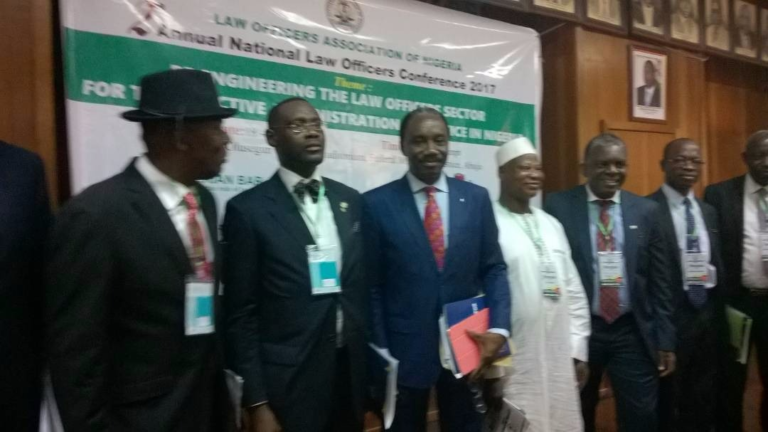
Prof Ernest Ojukwu SAN (Teacher) calls on the Nigerian Bar Association, the Federal and State Governments to radically support the Law Officers Association of Nigeria – LOAN as sustainable umbrella association of Law Officers in Nigeria in her commitment to delivering justice, the highest standard of integrity, honour in the legal profession, the promotion of justice sector reform, and the promotion of the welfare and wellbeing of law officers in Nigeria.

Teacher noted that it was heart warming to listen to the NBA President AB Mahmoud SAN, who chaired the opening ceremony of the 2nd Annual National Law Officers conference today at Abuja announce the support of the NBA to LOAN and other lawyers in the public service for better welfare and emoluments.

Teacher had back on 30th August 2016 stated publicly that the Bar has not supported its members who work in the Ministries and advised that “there is no reason why the Bar should not fight for better emoluments for its members in the Ministry of Justice and other agencies particularly now that we expect so much from them in the fight against corruption”.

In his press statement, Ojukwu also said that the time is now for NBA to strongly be in the fore front for our law officers and also remove the dichotomy existing between our law officers and other members of the NBA so that law officers can exercise their full rights of membership of the Bar including right to be elected into offices of the Bar.
He opined that law officers are in the heart of administration of justice in the country and no kind of reform of the justice sector will take root unless we make law officers interests, welfare, rights, standard, competence, commitment and role a priority in our scheme of challenges in Nigeria.

He thanked and congratulated the Law officers for the apt theme of their conference that addresses “Re-engineering the Law officers sector for the effective administration of Justice in Nigeria” and sponsors of the conference like UNODC.
There is Nothing Like Self Recognition For Bail – Professor Ernest Ojukwu

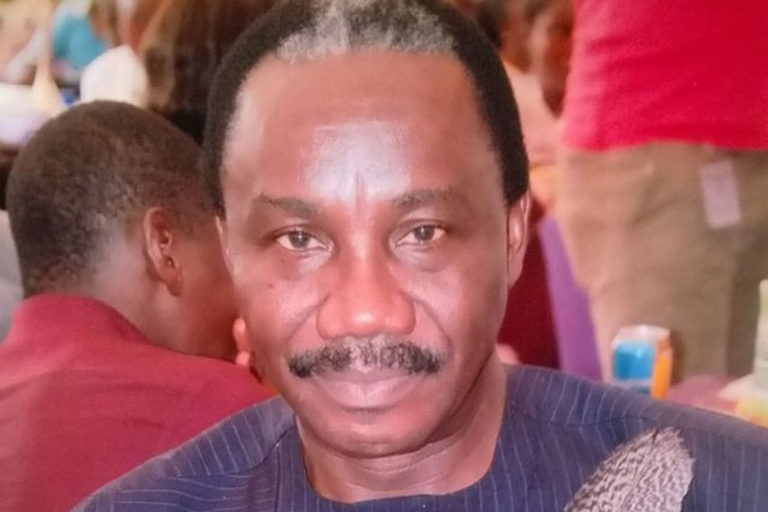
Professor Ernest Maduabuchi Ojukwu is the immediate past Deputy Director-General and Head of Campus of the Nigerian Law School, Augustine Nnamani Campus, Agbani Enugu.  

Professor Ernest Ojukwu was conferred with the rank of Senior Advocate of Nigeria at the Supreme Court of Nigeria following his appointment on 12 July 2014 by the Legal Practitioners Privileges Committee, LPPC. He is a Partner at the Law Firm of OFY Lawyers and a Professor of Law at Madonna University.

In this interview with The Authority Newspapers earlier this year he explained what self recognition means and its wrong use by lawyers and the unlearned

Do the provisions of the 1999 Consti­tution supersede the provisions of the Administration of Criminal Justice Act (ACJA), 2015?
Yes it does where there is conflict. The Constitution prevails against any other law where there is conflict.

Sir on the issue of bail, can bail be granted on ‘Self-Recognition’?
Recently, I read newspapers and listened to TV broadcasts which an­nounced that certain defendants on criminal charges were granted bail on ‘self-recognition.’ Almost all our Na­tional newspapers said the same thing in the case of bail for former Minister Abba Moro. I took this casually since I know that non-lawyers tend to corrupt “lawyer language” sometimes. However, I became alarmed when I heard some lawyers grant some of those bizarre ex­planatory TV interviews right out of court, and the lawyers actually used the word or phrase ‘self-recognition.’

This I put on inquiry and embarked on interviewing lawyers myself on their understanding of the phrase, ‘bail on self-recognition.’ Over 55% of lawyers I interviewed actually thought that the phrase ‘self-recognition’ meant ‘self-rec­ognisance’. Three young lawyers actually told me that they were taught ‘self –rec­ognition’ at the Nigerian Law School by the teachers and that it was in fact in the text books they used. I then proceeded to research the text books being used at the Nigerian Law School. I found that none of the three text books used the phrase ‘self-recognition.’ Two actually used the phrase ‘self-recognisance’ while one mentioned the word ‘recognisance’ only once. I put a call to four teachers at the Nigerian Law School and six teach­ers at different Law Faculties. Six out of the nine teachers thought that the word/phrase ‘self-recognition’ meant ‘self-recognizance.’ So I concluded that our students have actually been taught “self-recognition.”

Otherwise, how come all the newspa­pers used the same phrase ‘self-recogni­tion?’ I have not looked at any judge’s re­cords to know if any has used this phrase but I have seen lawyers (older lawyers at the bar inclusive) grant their stepping-out-of-court interviews on TV and they used the phrase ‘self-recognition.’ So I concluded that our lawyers are to blame for this ignorance; this misinformation, and misuse of language!

The Administration of Justice Act uses the word ‘recognizance.’ The Criminal Procedure Act uses the word ‘recog­nizance.’ ‘Recognition’ and ‘Recogni­sance’ are two English words meaning totally different things. The word ‘rec­ognition’ does not mean ‘recognisance’. ‘Recognition’ means “the act of remem­bering who somebody is when you see them, or of identifying what something is.” (Oxford Advanced Learner’s Dic­tionary). The word ‘recognisance’ is “a promise by somebody who is accused of a crime to appear in court on a par­ticular date”(Oxford Advanced Learner’s Dictionary). Black’s Law Dictionary calls ‘recognisance’ “a bond or obliga­tion, made in court by which a person promises to perform some act or observe some condition, such as to appear when called…”

Though the origin of ‘recogni­sance’ is the old French word “recon­naissance” which earlier derived from ‘reconnaitre’ (recognise), for many cen­turies the English word ‘recognisance’ has been translated as “engagement” in French and ‘personal recognisance’ as ‘caution personnelle’.
The word ‘self-recognition’ is used in the medical dictionary in two forms. One defines the word itself as “the pro­cess by which the immune system of an organism distinguishes between the body’s own chemicals, cells, and tis­sues and those of foreign organisms or agents”. The other medical usage is asso­ciated with the “mirror self-recognition test (MSR). The word or phrase ‘self-recognisance’ is even broken English. The correct English phrase is ‘own rec­ognisance’ or ‘personal recognisance.’

The Black’s Law Dictionary has clearly defined the phrase ‘personal recogni­sance’ as “the release of a defendant in a criminal case in which the court takes the defendant’s word that he or she will appear for a scheduled matter or when told to appear. This type of release dis­penses with the necessity of the person’s posting money or having a surety sign a bond with the court.” Our courts can grant bail on ‘own recognisance’ or ‘per­sonal recognisance’ (not self-recogni­sance). Our courts cannot grant bail on “self-recognition”

Lawyard Exclusive: The Potentials of the NBA Have Not Been Scratched – Prof Ojukwu SAN

Professor Ernest Ojukwu SAN is one of the few exemplary legal practitioners who combine the double recognition as ‘Professor’ and ‘Senior Advocate of Nigeria’ signifying all-round excellence in both the academia and legal practice. Professor Ojukwu has earned the silk not just in recognition of his outstanding and meritorious contributions to legal education in the country but has also displayed an unwavering commitment to upholding the highest ethical standards as a respected member of the Nigerian Bar which he has also served in many capacities in the last three decades.

As a Law Teacher, Professor Ojukwu has influenced thousands of Law students directly through teaching and administration as well as indirectly through the Network of University Legal Aid Institutions (NULAI) platform which has become one of the most significant significant bodies facilitating social justice advocacy in Nigeria. I recently reached out to him to ask a few questions and he was more than gracious to provide very enlightening answers we can all learn a few things from. Please read:

Tobi Adebowale (TA): Can we get some insight into your family background and what motivated you to study law?

Professor Ernest Ojukwu (PEO): My mother was a primary school teacher. My dad was a civil servant. My dream career was journalism but I didn’t pass the entrance examination for Mass Communication. To be candid, Law was not in my mind because my mother never spoke well of some lawyers I knew at Umuahia where we lived. By the time I was ready to take JAMB in 1979, I found out that my community (Ahaba Imenyi in Isuikwuato Abia State) did not have a lawyer. So, I told my dad while completing the JAMB form that I was going to be the first lawyer in my community.

TA: It would appear you joined the academia almost at about the same time you started practising, what did that feel like?

PEO: Oh yes. It felt great and exciting walking into a class of 300 level Criminal Law class students in 1985 and taking charge at 25 years and at the same time almost taking over my boss’s entire litigation dockets at the High Court, Magistrates Court and Customary Court at Chief GNA Atulomah and Co at Aba. The University was also then at Aba and the class had hot heads like Prof. Chidi Odinkalu (former Chairman Human Rights Commission) who did not spare any moment joining issues with my claims on the criminal law subject.

TA: Who were your major influences or mentors at the time?

PEO: My roommate at the University at Ife, Emeka Nwagwu, (former Chairman NBA Owerri Branch) treated me like a younger brother and fired my potential to make one of the best results in my class. I was also influenced, as a student by my one level seniors at school like Chief Tony Idigbe, SAN, and Obidi Umeh, esq. They were quite intelligent and yet very social, outgoing and took part in many extra-curricular activities at Ife. They were very active in mock trials and the Students Court. Tony Idigbe became the Secretary and later the Chairman (Chief Judge) of the Student Court – the University of Ife Judicial Council. I followed Idigbe’s footsteps and became the Secretary and later Chairman (Chief Judge) of the Students Court. Two other persons influenced my career path. My teacher, Prof. Olu Adediran who managed the mock trials. From my third year at school, he continued to tell me that I should consider returning to Ife after graduation to teach. And Chief Awa Kalu, SAN, with whom I did my externship programme (law office attachment) at Aba. He was in Private Legal Practice at J.S, Nwala and Co and teaching at Abia (then Imo) State University at Aba. At the end of my NYSC period, I had three options to take up teaching appointments at the Nigerian Law School, Obafemi Awolowo University Ife, and Abia (then Imo) State University (Aba Campus). I took Awa Kalu, SAN’s counsel to accept the appointment at Abia (then Imo) State University so I could teach and practice like him since I loved both.

TA: Will you consider pupilage as such an essential part of learning the law as to be made mandatory?

PEO: No, I do not think pupilage should be a mandatory programme in Nigeria. As an experiential learning tool, it has enormous benefits for the training of a lawyer in terms of conduct and etiquette, trial advocacy, conference and negotiation skills, drafting and research, etc. But these achievements will have chances only if we also deal with the foundational problems of legal education. The problem with our current low professional standards is our Legal education especially at the LLB level. Until we re-tune training at this level, forcing a mandatory pupilage at this time will be putting something on nothing. And which law firms and lawyers are you going to force pupils on to learn?

The standard of legal education did not fall today or one day. Majority of our practicing lawyers are products of our challenged legal education. I would prefer we re-focus on the LLB and Law School levels. Too many opportunities to prepare would-be-lawyers are being wasted. If we set a goal for legal education (which is non-existent at this time generally), radically change our teaching methodology so that law is taught both as a liberal art and as a vocation, with heavy doses of experiential learning at the LLB and law school levels, we may not need pupilage.

If we must have pupilage, then it is better we take out time to conduct studies on it and properly plan. We need to identify the law firms that can take in pupils. If you ask me, there cannot be more than 10-20 such law firms in most capital cities (except places like Lagos and Abuja). We need to train the first set of Supervisors. We need to write the rules and discuss the rules before implementation. We need to agree on a minimum wage for the pupils, etc.

We need to find out why in England many new lawyers are unable to do their pupils for as many as 5 years and what we will do when we are faced with the challenge of finding pupilage spaces for over 5,000 new lawyers every year. I have a strong belief based on my experience as a practicing lawyer, law teacher at the LLB and Law School levels, Project Director of the NBA Institute of Continuing Legal education, and Pioneer of clinical legal education in Nigeria that the call for a mandatory pupilage is a recognition of the fallen standard of our legal training programmes but a misunderstanding of the reasons for the challenge, and a wrong solution to the problem.

TA: What inspired your interest in social justice?

PEO: I will say my sense of fairness, equity and justice. When I began learning about the clinical approach to legal education, I found that we have a major opportunity in the classroom to raise a new army of lawyers that will become conscious of social justice through Justice and Clinical Legal Education. Though touted on the lips, we really have not been training our lawyers in Nigeria to see, be conscious of, and use law as an instrument of Social Justice.

TA: Can you briefly tell us the story of how NULAI was founded and how it became so impactful? 

PEO: Network of University Legal Aid Institutions (NULAI) Nigeria was set up by a group of law teachers who are interested in reforming and transforming legal education in Nigeria and Africa. The goal of NULAI is real and students that have gone through clinical legal education showcase our best in competence, skills and values.

TA: Do you think the Nigerian legal education places enough emphasis on teaching legal aid? What recommendations will you make in this regard?

PEO: Oh no. As a student at Ife, I did not hear the phrase legal aid in my 4 (four) years training. I also did not hear that phrase at the Law School. We were rather told that law was not for the poor. Law Clinics in our Universities today only offer legal aid services. Legal aid is part of the clinical courses. But generally, apart from a few innovative law faculties and law teachers, legal aid, vulnerable persons, Social Justice concerns are not serious discussions in our curriculums and learning. Legal education is still largely traditional, focusing mainly on principles and theories.

TA: What moments will you consider most memorable in your career as a Law teacher and a lawyer?

PEO: Winning my first criminal case at a Preliminary Inquiry at Yola during my NYSC without any assistance by any lawyer or Magistrate; the establishment of our first pilot law clinics in Nigeria, when we took our first set of clinical law students – Dr. Aminu Gamawa and Daniel Bwala both of University of Maiduguri Law Clinic to our first appearance at the Louis M. Brown International Client Counselling Competition at Cardiff UK and we took the 2nd position; when the Nigerian Law School implemented the first ever written curriculum for the Nigerian Law School in 2008/09 – before 2008, the Nigerian Law School did not have a curriculum – we implemented a clinical legal education focused curriculum; the many numerous positive testimonies of my former law students about the impact of my clinical teaching methods in their lives and career; and the fact that clinical legal education is now proposed by the National Universities Commission as a compulsory part of legal education for law faculties in Nigeria. Legal education holds the key to most of our legal profession’s problems. Radically changing what we teach and how we teach law in Nigeria is my dream. It would be my magnum opus to achieve it.

TA: You have played major roles in the Nigerian Bar Association over the years and can critically assess the association’s impact; has the NBA lived up to its potential?

PEO: Not at all. The potentials of NBA have not been scratched. I am currently conducting survey on what lawyers think about this. I will soon release the result. The Bar Association has been actually largely ineffective in many respects in Nigeria.

TA: As a senior member of the Bar, what lapses within the NBA do you believe need to be urgently addressed?

Too many lapses, beginning with our governance structure, to democracy in the bar, openness and transparency, involvement in rule of law, capacity building and welfare of its members especially the young lawyers, tackling of disciplinary issues, ethics of members and corruption of the legal profession, access to Justice and a snail speed administration of Justice.

TA: Some lawyers consider the NBA as a monopoly, what is your take on agitation in some corners that lawyers should not be compelled to join the NBA or pay practice fees to the Association?

PEO: It is in the nature of professional associations to be special. Practice fee is actually in the nature of tax. If you must practice, then you have to pay practice fee. The history of our legal profession made it imperative to transfer the benefits of that tax to the Association to make the Association stand otherwise they would have to depend only on the dues of members. The relationship of lawyers to the Association is Sui genesis and it would take some radical changes in the law to alter. What I think lawyers should be more concerned with is how to make the Association more meaningful and accountable to her members. If the Association has strong impact on her members, the complaints about the system will be minimal.

TA: How will you assess the current level of discipline and regard for ethics in the legal profession?

 PEO: Very low

TA: Can you kindly share some of the notable suggestions in the Bill to amend the Legal Practitioners Act you once submitted?

PEO: In 2004, I was Chairman of the NBA Law Reform Committee under President Olanipekun, SAN and we submitted a totally overhauled bill to replace the Legal Practitioners Act. It didn’t go far in the Legislature. So, in 2007 under President Agbakoba, SAN I drafted one that was only an amendment. It got stuck once more in the National Assembly. Under President Daudu SAN (2011-2012), I got involved too in the Committee he set up in making three new Bills that were also sent to the National Assembly – the Legal Practitioners Bill, Legal Education Bill, and the Legal Services Commission Bill. The core reforms in these bills were:

For the Legal Practitioners Act: The strongest focus of the Bill was on discipline in the profession. The Body of Benchers was empowered to set up many Disciplinary Committees at the same time. One of the setbacks to sanctions and naming and shaming (all very vital for fighting indiscipline) has been the fact that there is only one Disciplinary Committee at Abuja dealing with myriad of cases from all over Nigeria. It takes too long to know the outcome of a case. And without an effective communication of outcomes, lawyers usually continue with their impunity since people hardly ever get to know if anybody was sanctioned for infamous conducts. We also formally created the Institute of Continuing Legal Education and the mandatory continuing legal education and re-licensing.

For the Legal Services Commission bill: It created a Commission saddled with the responsibility of investigating the conduct of legal practitioners; receiving and investigating complaints against legal practitioners; inspecting documents, facilities, files, materials, offices, premises and records of legal practitioners to ascertain their statutory compliance status and profile; reporting, presenting, and prosecuting instances of professional misconduct to or before the Disciplinary Committee; enforcing decisions, directions and orders of the Disciplinary Committee; deploying or encouraging ADR for minor complaints against legal practitioners; and advising and educating legal practitioners on proper professional conduct and statutory compliance. The bill’s objectives also included: give consumers and users of legal services an independent, timely, fair and reasonable means of redress for complaints; promote, monitor and enforce high standards of conduct in the provision of legal services and advance integrity in the legal profession; protect and promote public confidence in the legal system, the legal profession, the administration of justice and the rule of law; improve access to justice; encourage an independent, strong, diverse and effective legal profession; increase public understanding of the citizen’s legal rights and duties; and promote and maintain adherence to the professional principles.

TA: Do you see a need to continue to use the wig and gown in Nigerian courts?

PEO: I really feel that our weather is a challenge to that dressing mode. We can get simpler. Even the English man we copied is dropping that dressing. The cost of that dressing is also very high and we are now actually the Country that is keeping the English makers of the wig and gowns going. We spend more money purchasing those outfits from Nigeria than the English people. So, we are wasting our foreign exchange reserve and creating employment for another Country and impoverishing our Country.

TA: On a final note, if you were in a position to articulate and implement reforms in our legal system, please name four initiatives you will immediately focus on.

 PEO:

  • Make disobedience to court orders, abuse of human rights and rule of law, a crime;
  • Transform legal education to justice education and clinical legal education at all levels
  • Focus on speedy and efficient justice system and Stop over 80% appeals to the Supreme Court
  • Create a Legal Services Commission.